
Real-world applications: environment, forestry, agriculture, search and rescue, military field.
Technical and scientific topics: automatization, electronics, mechanics, mechatronics, mechanical engineering, communication, machine learning, AI, IoT, energy storage technologies, robotic and drone validation and security, production planning and management.

Field Robotics Working Group of the work group:
- Associate Professor Olga Liivapuulink opens in new page,
- Associate Professor Risto Ilveslink opens in new page,
- Assistant Professor Yevhen Ihnatievlink opens in new page,
- Senior Lecturer in Materials and Measurement Engineering Kaarel Sootslink opens in new page
- Junior Research Fellow Tormi Lillerandlink opens in new page,
- Junior Research Fellow Roland Allmägilink opens in new page,
- Junior Research Fellow AGM Zamanlink opens in new page,
- Junior Research Fellow Armand Pelljalink opens in new page,
- engineering and technology specialist Indrek Virrolink opens in new page,
- technology specialist Gregor Randlalink opens in new page,
- Lecturer of Artificial Intelligence at the University of Tartu Kallol Roylink opens in new page.
Töörühma juht on professor Jüri Oltlink opens in new page.
The group is also joined by bachelor’s (Engineering and Technology), applied higher education (Technotronics) and master’s level (Production Engineering) students, who have prepared and defended ca 45 theses.
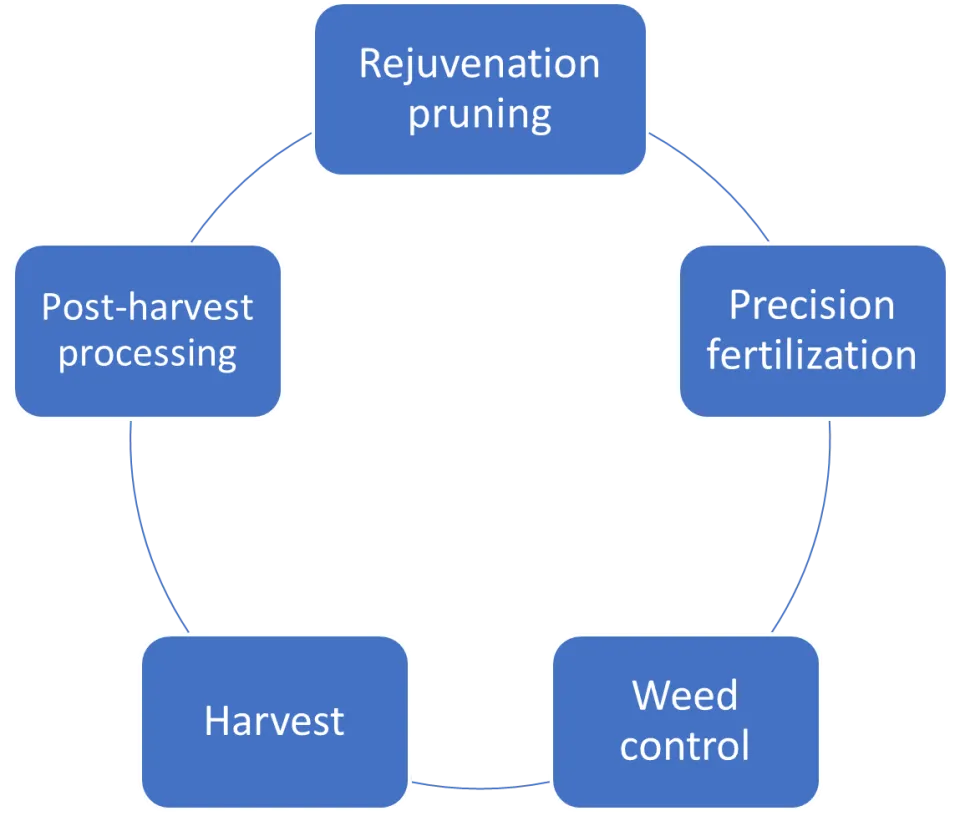
The Field Robotics Working Group grew out of the Agricultural Engineering Working Group. In the previous decade, the Agricultural Engineering Working Group developed a mechanized cultivation technology for cultivated blueberries on depleted peat milling fields. The mechanized cultivation technology comprised various technological steps (Figure 1. Technological steps of mechanized cultivation of cultivated blueberries). Manned machines and equipment were developed and put into use. The time became ripe to further develop blueberry mechanized cultivation technology, i.e., to automate the mechanized cultivation technology.
The most interesting and innovative research topic proved to be the development of a precision fertilizing robot, with the aim of creating an agrorobotic system that considers the health of blueberry plants and detects the plant stem for precise fertilization, i.e., to develop working prototypes of the fertilizing robot and its servicing system.
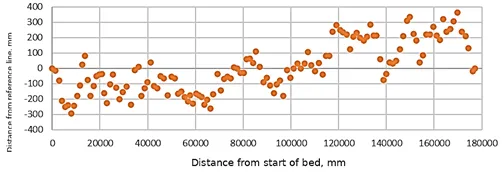
Since cultivated blueberries are grown in plantations, the first step was to define the field to be processed. In a berry plantation, seedlings are planted in rows with an in-row spacing of 0.9 m to 1.5 m and with equal or other row widths; therefore, the fertilizing robot has to move along the plant row in a straight line using an optimal motion mode, etc. When defining the plant row, it became clear that blueberry plants are not located exactly in a single row nor at equal distances (Figure 2. Arrangement of blueberry plants in a row).
Development of the precision fertilizing robot
The first experiments in developing unmanned machines started in 2018. A couple of years later, in 2020, a Development Fund project application was prepared and support was sought to develop precision farming technology for cultivated berries. The evaluation committee gave a positive assessment and proposed funding the topic for four years (PM210001TIBT). In 2021, development of technological devices began. The goal was to robotize the technological operation - specifically, to develop the fertilizing robot (Figure 3. Initial prototype of the fertilizing robot) and the necessary infrastructure. Thus, the focus of the agrorobotics group’s research and development became precision farming, more specifically the development of robotic systems.
The main functions required to design the precision fertilization device of the fertilizing robot for a blueberry plantation were as follows:
- plant detection;
- dosing and delivering the fertilizer dose to the plant’s root collar.
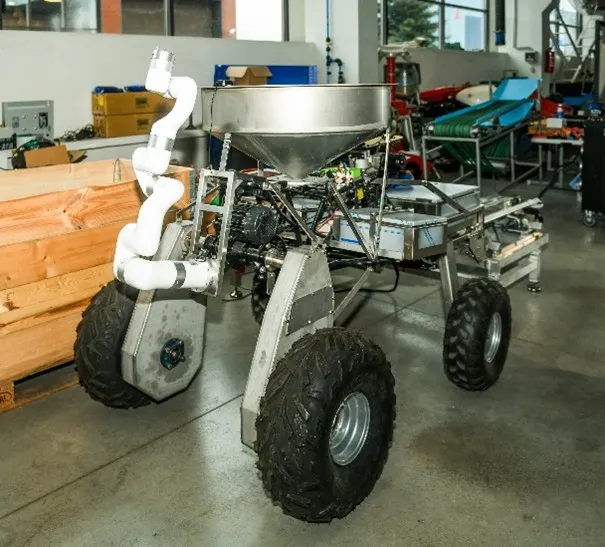
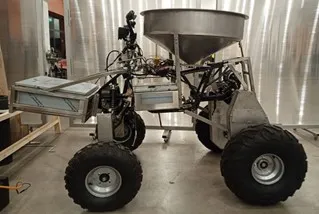
Figure 3. Initial prototype of the fertilizing robot.
Plant detection
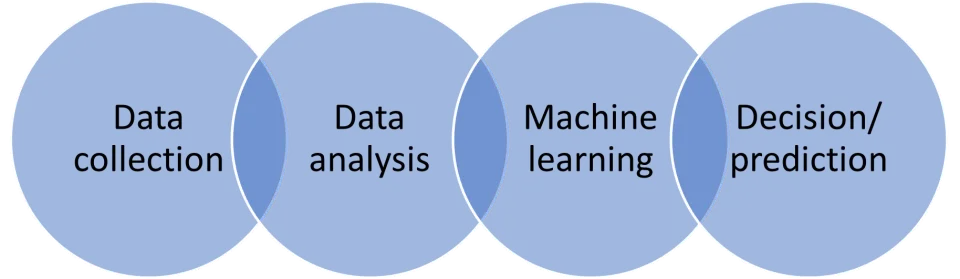
Plant detection uses machine vision and machine learning based on data-driven prediction (Figure 4. Data collection and machine learning). Applications are wide-ranging: from plant identification and assessing fertilization needs to yield forecasting. Such an approach enables more accurate and flexible decision-making.
Figure 5 shows that the actual location of the stem or root collar is marked with a yellow bounding box, and the location predicted by machine learning is marked in red. The greater the overlap between these boxes, the more accurately fertilizer can be dosed to the root collar. In addition, changes in plant size (growth over time) were taken into account, enabling plants to be grouped by growth stage - smaller plants receive less, larger plants more fertilizer (the application rate is 10-40 g/plant depending on plant size).
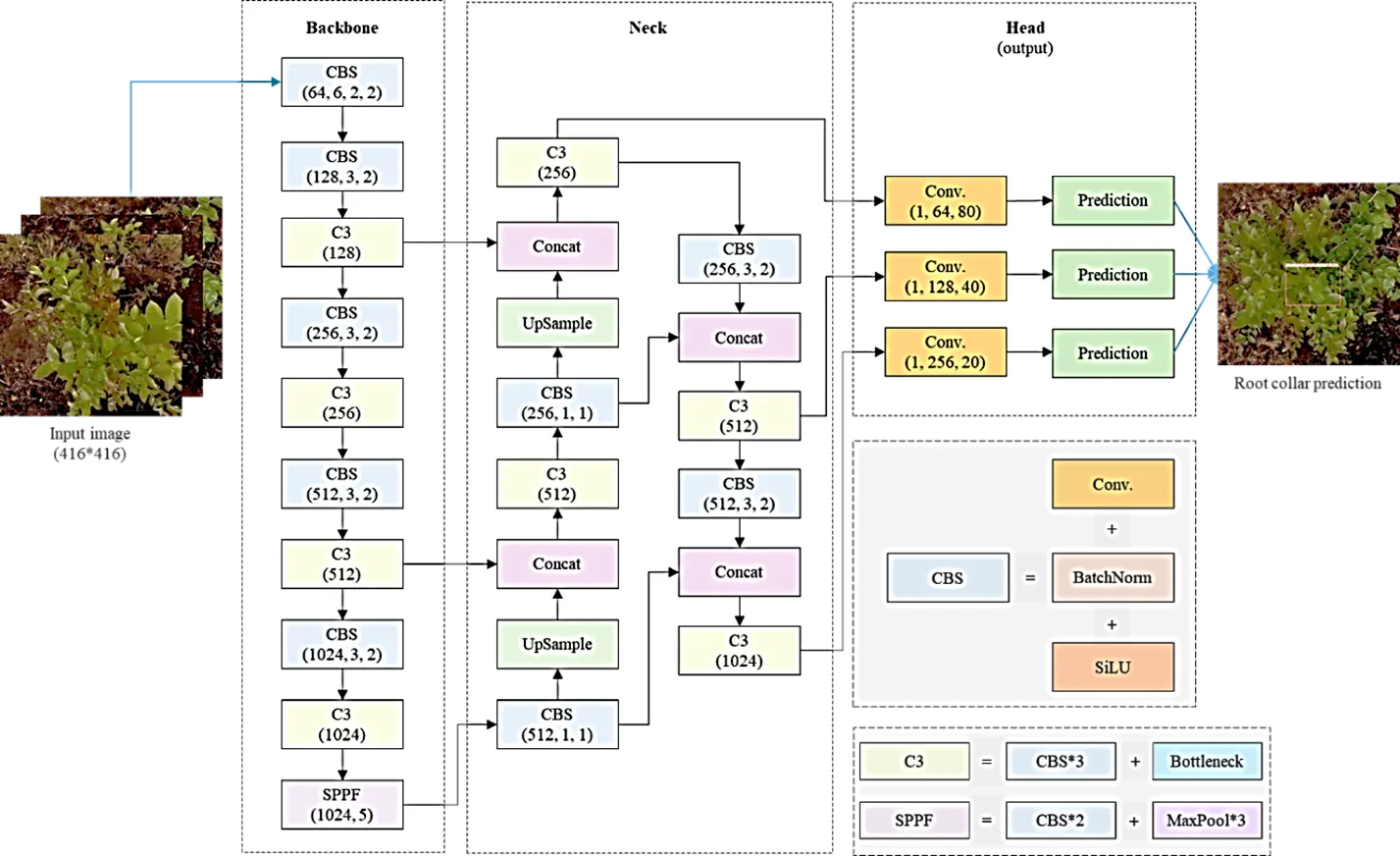
Figure 5. Plant detection model (Zaman et al., 2024).
Fertilizer dosing and delivery
During the growing season, berry plants must be fertilized 2 to 3 times, applying the prescribed amount per plant - specifically 15 to 40 grams per plant: less in the first years and more later. Therefore, the fertilizing robot’s dispenser (Figure 6) must be adjustable to apply the required fertilizer amounts.
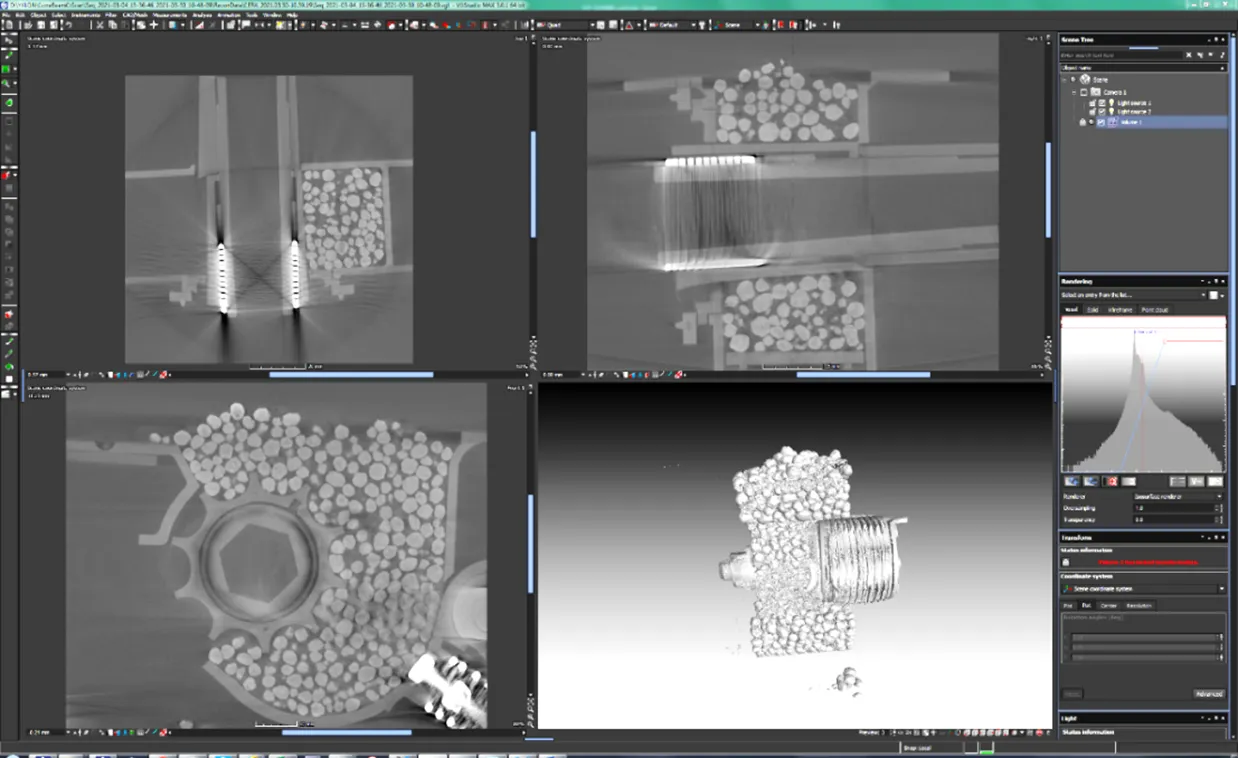
Figure 6. Arrangement of blueberry fertilizer particles in the dispenser.
The dispenser must be adjustable, taking into account that different fertilizers are used in different growing periods (seasons) - spring, summer and autumn - and all of them have different granulometric (particle-size) parameters (Figures 7, 8 and 9).
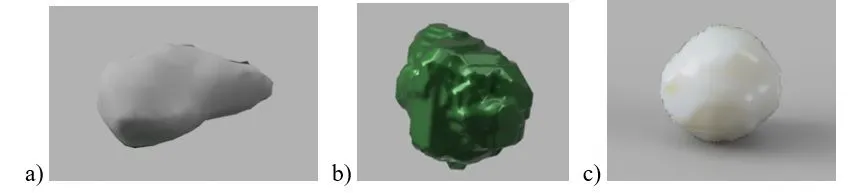
Figure 7. Computed-tomography-based models of fertilizer granules: a) Substral; b) Agro Organic; c) Agro NPK.
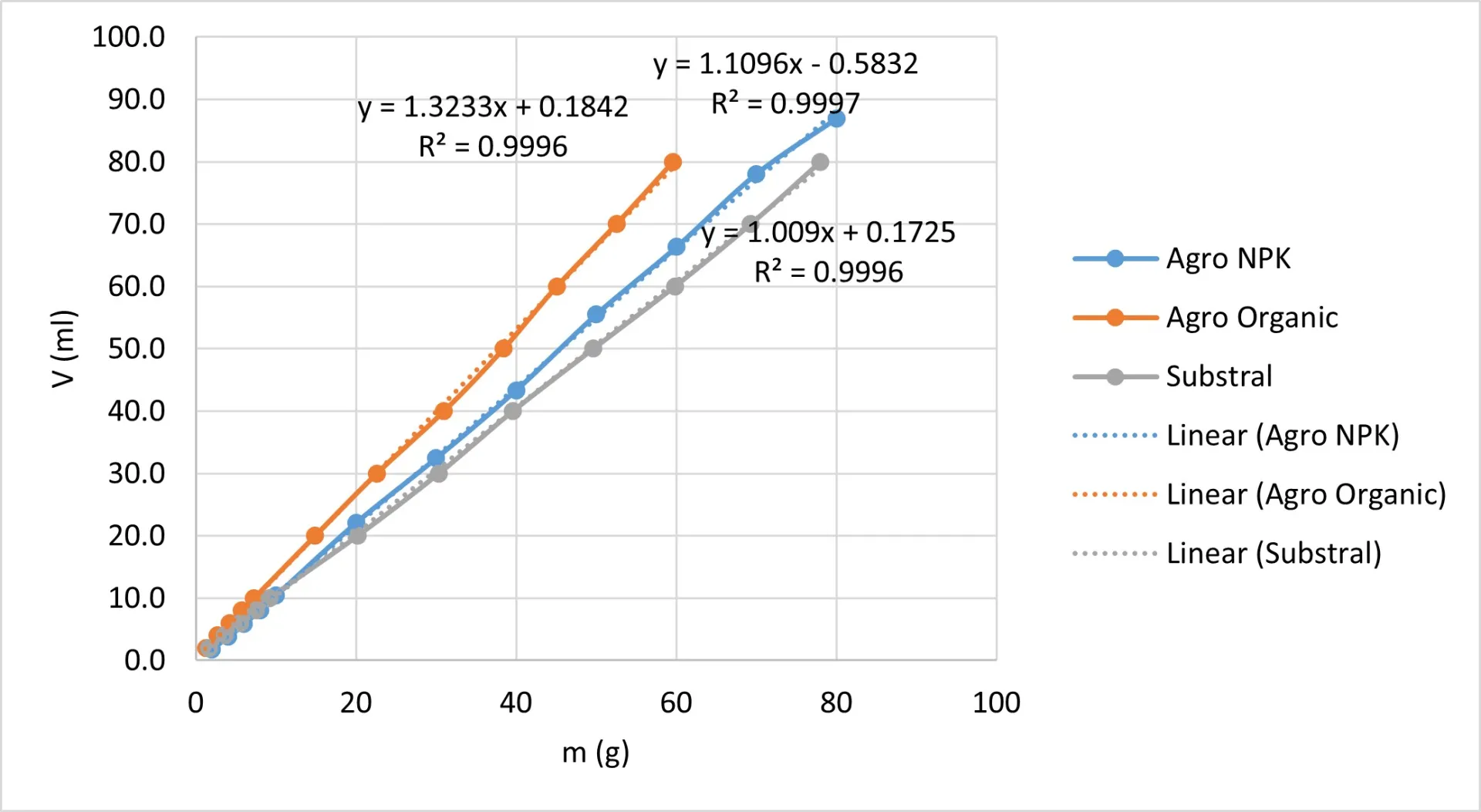
Figure 8. Relationship between volume and mass of blueberry fertilizers (Lillerand et al., 2022).
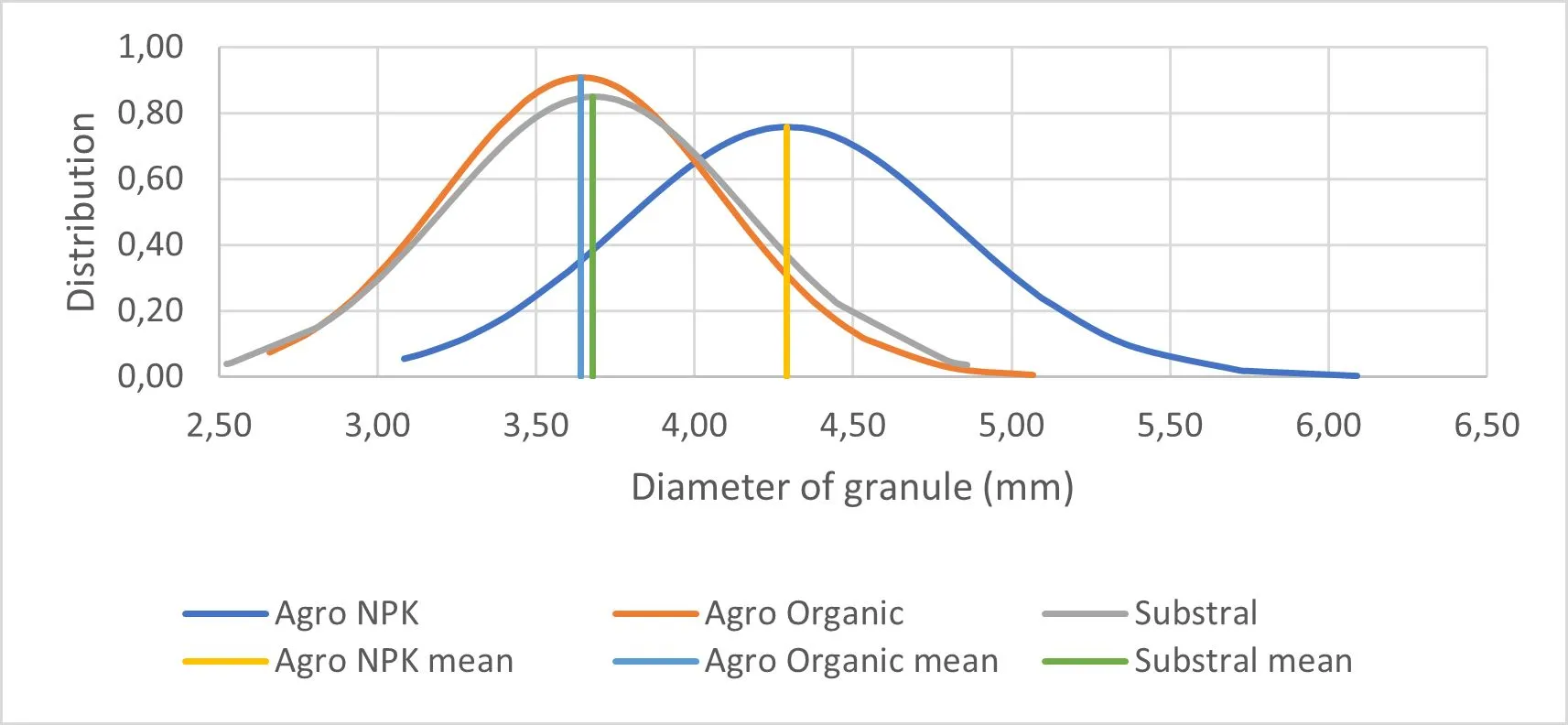
Figure 9. Distribution curves of the average diameters of fertilizer granules (Lillerand et al., 2021).
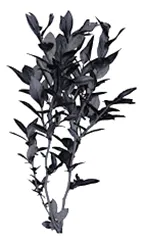
In addition to precise fertilizer dosing, the main functions of the autonomous fertilizing robot also include detecting plants and the plant row and, to minimize environmental impact, directing fertilizer to the prescribed location close to the plant, specifically under the plant canopy (Figure 10. A real blueberry plant scanned using the YXLON FF35 CT scanner).
Precision dosing system
The precision dosing system (Figures 11 and 12) is inherently a two-stage system whose central part is an original dispenser with an air conveyor. The system makes it possible to dose and place fertilizer at a precisely defined location, controlled on a plant-by-plant basis via a manipulator. The dispenser is controlled by an algorithm that takes into account the movement trajectory, the fertilizer amount, and plant health indicators. Such an integrated system ensures resource-efficient and intelligent fertilization in berry plantations, and it can also be used for fertilizing plants in other fields.
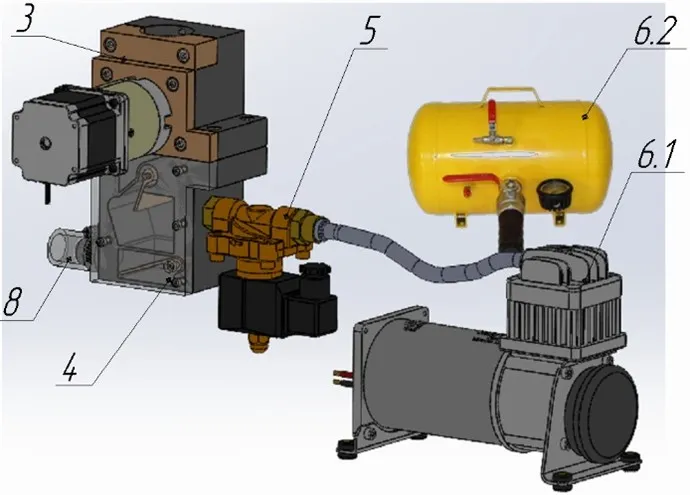
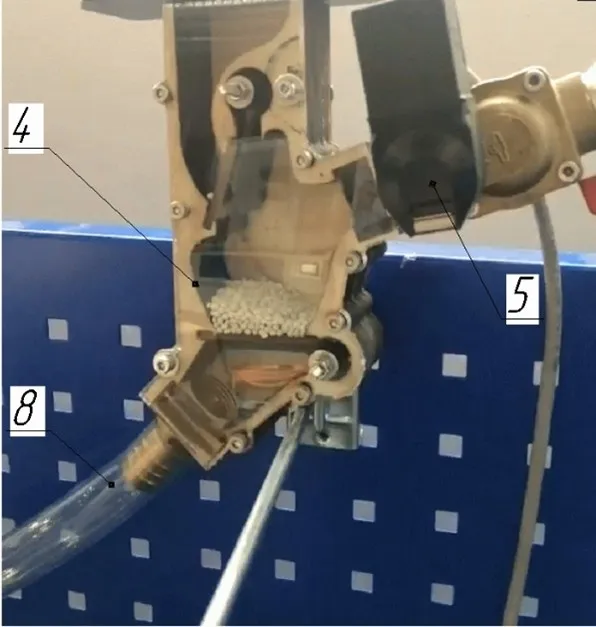
Figure 11. Model of the dosing system.
Figure 12. Test rig for part of the dosing system.
Fertilizing robot drive
To reduce environmental pollution from exhaust gases, the fertilizing robot must be equipped with an electric drive. However, an electric drive requires electrical energy, which is supplied by a battery (Figure 13. Battery prototype). During operation, the robot’s battery discharges. A depleted battery cannot be recharged instantly; this takes considerable time, which negatively affects the utilization of working time and, consequently, the productivity of the farming robot. To solve this problem, a battery quick-swap and charging device was developed (Figure 14. Battery quick-swap and charging device: a - model; b - prototype). The battery replacement cycle lasts 3 minutes.
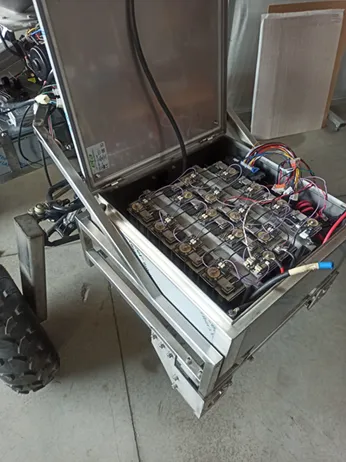
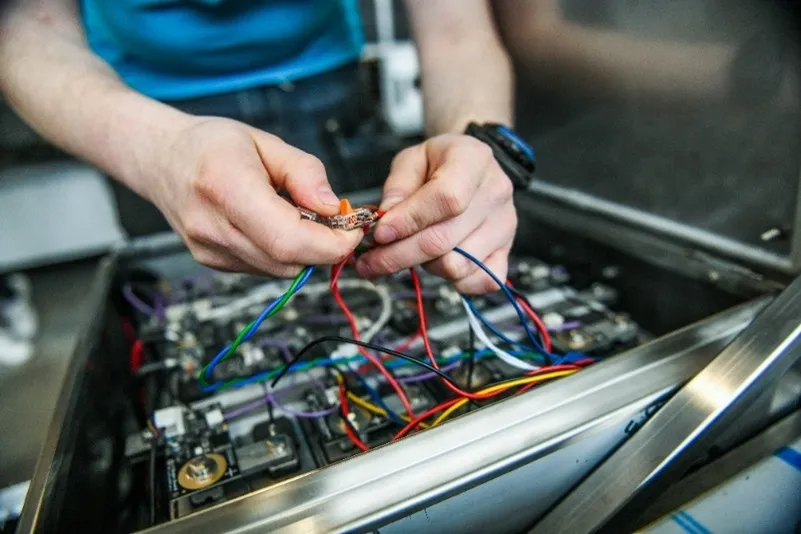
Figure 13. Battery prototype.
Battery quick-swap and charging device for the fertilizing robot
The model and prototype of the battery quick-swap and charging device are shown in Figure 14.
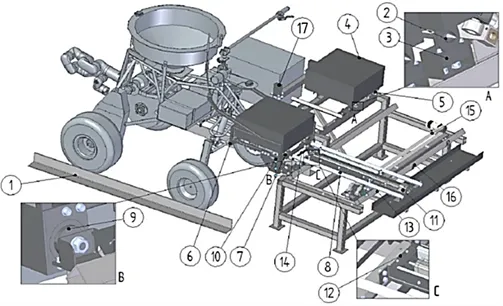
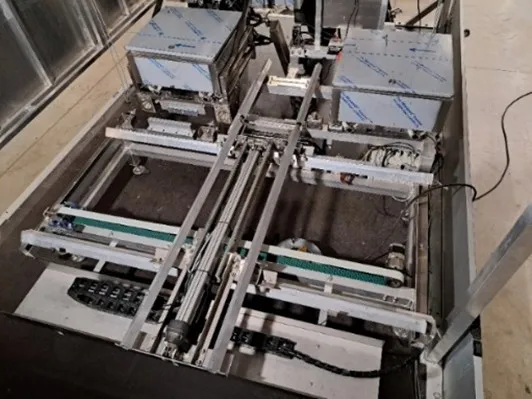
Figure 14. Battery quick-swap and charging device: a - model; b - prototype.
Mobile energy generation station
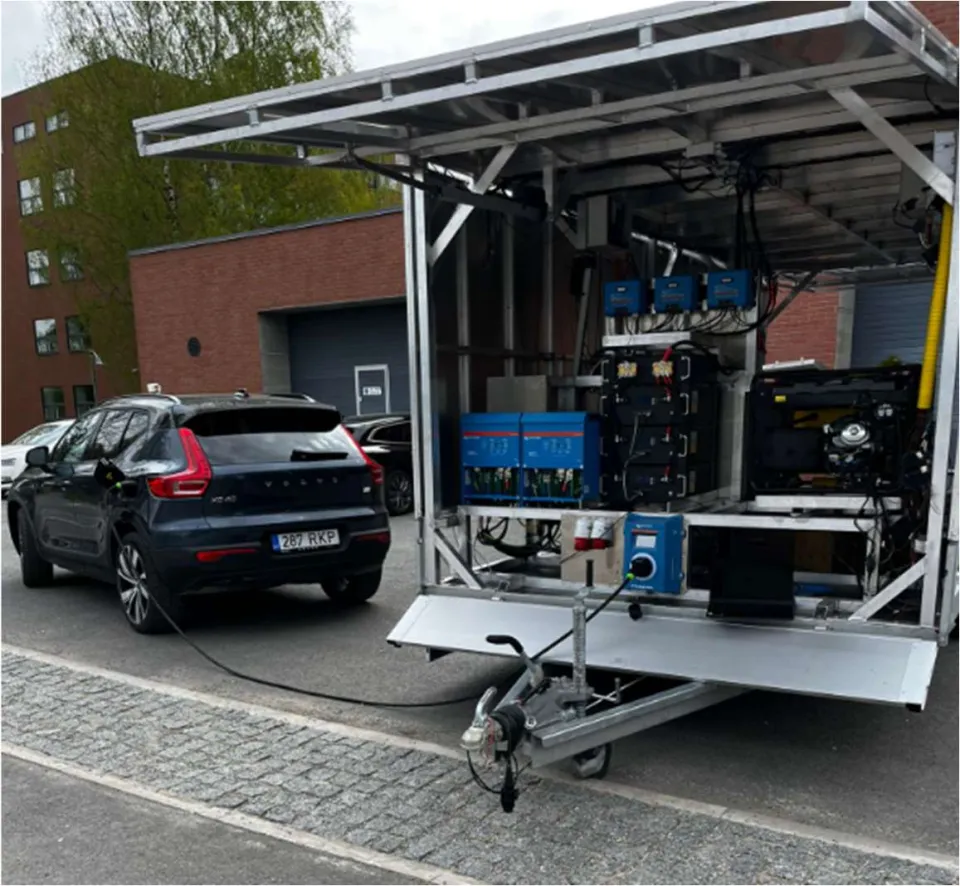
To enable the farming robot to work efficiently and without interruptions in fields where there are usually no stationary power lines, its operation must be supported by a local energy generation station (Figure 15. Charging an electric car at the energy generation station) with the following main functions:
- generation of electricity, preferably from renewable sources;
- storage of the generated energy;
- charging the battery that becomes depleted during operation of the autonomous farming robot;
- rapid replacement of the autonomous farming robot’s depleted battery with a charged one at the energy generation station.
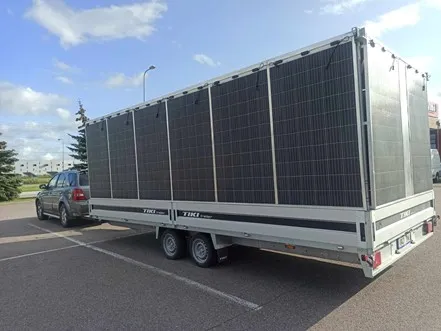
Such an energy generation station is autonomous and movable, consisting of a chassis, a superstructure mounted on the chassis, a non-controllable electricity source mounted on top: a flat solar power unit with solar panels and a controllable electricity source in the form of a generator, an energy storage unit for storing the produced electricity, a charging unit for charging the robot’s depleted battery, and a controller for controlling the station’s actuators. The energy generation station additionally includes front and rear pivoting end sections and left and right pivoting sides that are hingedly attached to the upper edge of the superstructure, which is equipped with a horizontal flat roof. Solar panels are permanently mounted on the outer surfaces of these ends and sides, and their tilt can be adjusted in working position using a positioning actuator. In transport position, the ends and sides of the station are folded together and locked in a vertical position to the lower edge of the superstructure, forming a compact and roadworthy unit (Figure 16. Energy generation station in transport position).
Key developments of the Field Robotics Working Group:
- Autonomous electric fertilizing robot (patent EE 05841 B1)link opens in new page
- Precision fertilization device for the fertilizing robot (patent application P202400027)
- Energy generation station (patendidokument EE 202300003 A)link opens in new page
- Battery quick-swap device (patent EE 05874 B1)link opens in new page
- Generator drive - diaphragm engine (patent application P202400023).
Publications:
Pellja, Armand; Liivapuu, Olga; Olt, Jüri. 2025. Design and Optimization of a Welded Structure for a Mobile Power Station with Complex Configuration. Environmental and Climate Technologies, 29(1), 471−482. DOI: 10.2478/rtuect-2025-0032.
Lillerand, Tormi; Liivapuu, Olga; Ihnatiev, Yevhen; Olt, Jüri. 2025. Theoretical Study of a Pneumatic Device for Precise Application of Mineral Fertilizers by an Agro-Robot. AgriEngineering, 7(10), 320. DOI: 10.3390/agriengineering7100320.
Jevtuševski, A.; Ihnatiev, Y.; Lillerand, T.; Virro, I.; Olt, J. 2025. Constructive solution of battery swapping unit in service station for unmanned agricultural robot. Agronomy Research, 23(1), 415−434. DOI: 10.15159/AR.25.009.
Olt, J.; Bulgakov, V.; Adamchuk, V.; Kuvachov, V.; Liivapuu, O. 2024. Theoretical study of the movement of the wide span machine in quasi-static turning mode. Agronomy Research, 22(1), 217−226. DOI: 10.15159/AR.24.042 .
Olt, J., Liivapuu, O., Virro, I., Lillerand, T. 2024. Designing a Fertilizing Robot Application Considering Energy Effinciency. Environmental and Climate Technologies, 28(1), pp. 258-268. DOI: 10.2478/rtuect-2024-0021.
Olt, J., Ihnatiev, Y., Lillerand, T., Virro, I. 2024. Development of a Battery Swapping and Charging Unit in Servicing Station for Farming Robot: A Review. In: Lorencowicz, E., Huyghebaert, B., Uziak, J. (eds) Farm Machinery and Processes Management in Sustainable Agriculture. FMPMSA 2024. Lecture Notes in Civil Engineering, vol 609, pp. 333-345. Springer, Cham. https://doi.org/10.1007/978-3-031-70955-5_37link opens in new page.
Zaman, AGM., Roy, K., Olt, J. 2024. Normalized Difference Vegetation Index Prediction for Blueberry Plant Health from RGB Images: A Clustering and Deep Learning Approach. AgriEngineering, 6(4), 4831–4850. https://doi.org/10.3390/agriengineering6040276link opens in new page.
Mahmoud, N T A., Virro, I., Zaman, A G M., Lillerand, T., Chan, W T., Liivapuu, O., Roy, K., Olt, J. 2024. Robust Object Detection Method under Smooth Perturbations in Blueberry Farming. AgriEngineering, 6(4), 4570–4584. https://doi.org/10.3390/agriengineering6040261.
Zaman, AGM., Mahmoud, N., Virro, I., Liivapuu, O., Lillerand, T., Roy, K., Olt, J. 2024. Learning with small data: A novel framework for blueberry root collar detection, Proceedings of the 35th DAAAM International Symposium, pp. 0312-0321, B. Katalinic (Ed.), Published by DAAAM International, ISBN 978-3-902734-44-0, ISSN 1726-9679, Vienna, Austria DOI: 10.2507/35th.daaam.proceedings.043.
Lillerand, T., Reinvee, M., Virro, I., Olt, J. 2022. Feasibility analysis of fluted roller dispenser application for precision fertilization. INMATEH - Agricultural Engineering, 68(3), 415−423. DOI: 10.35633/inmateh-68-41.
Virro, I., Lillerand, T., Olt, J. 2022. Mobile Robot Cobot Manipulator Mounting Direction Adjustment Dependant on Gravity Vector. In: Proceedings of the 33rd International DAAAM Symposium 2022. (0390−0396). DAAAM International. (DAAAM Proceedings; 1), B. Katalinic (Ed.). DOI: 10.2507/33rd.daaam.proceedings.055.
Lillerand, T., Virro, I., Maksarov, V., Olt, J. 2021. Granulometric Parameters of Solid Blueberry Fertilizers and Their Suitability for Precision Fertilization. Agronomy, 11(8), 1576. DOI: 10.3390/agronomy11081576.
Soots, K., Lillerand, T., Jõgi, E., Virro, I., Olt, J. 2021. Feasibility analysis of cultivated berry field layout for automated cultivation. Proceedings of 20th International Scientific Conference ENGINEERING FOR RURAL DEVELOPMENT, 20: 20th International Scientific Conference Engineering for Rural Development, May 26-28, 2021. Jelgava, Latvia: Latvia University of Life Sciences and Technologies, 1003−1008. DOI: 10.22616/ERDev.2021.20.TF222.
Virro, I., Arak, M., Maksarov, V. Olt, J. 2020. Precision fertilisation technologies for berry plantation. Agronomy Research, 18(S4), 2797−2810. DOI: 10.15159/AR.20.207.
Arak, M., Olt, J. 2020. Technological description for automating the cultivation of blueberries in blueberry plantations established on depleted peat milling fields. Proceedings of the 9th International Scientific Conference Rural Development 2019: 9th International Scientific Conference Rural Development 2019. Research and Innovation for Bioeconomy. Ed. Asta Raupeliene. Kaunas: Vytautas Magnus University, 98−103. DOI: 10.15544/RD.2019.024.
