
Prof. Lisandra Meneses travelled to Brussels in her capacity as a member of the Net-Zero Regulatory Burden Scientific Advisory Group, established under DG GROW (Directorate-General for Internal Market, Industry, Entrepreneurship and SMEs) at the European Commission, to present the group's findings following several months of in-depth analysis of the Net-Zero Industry Act (NZIA).
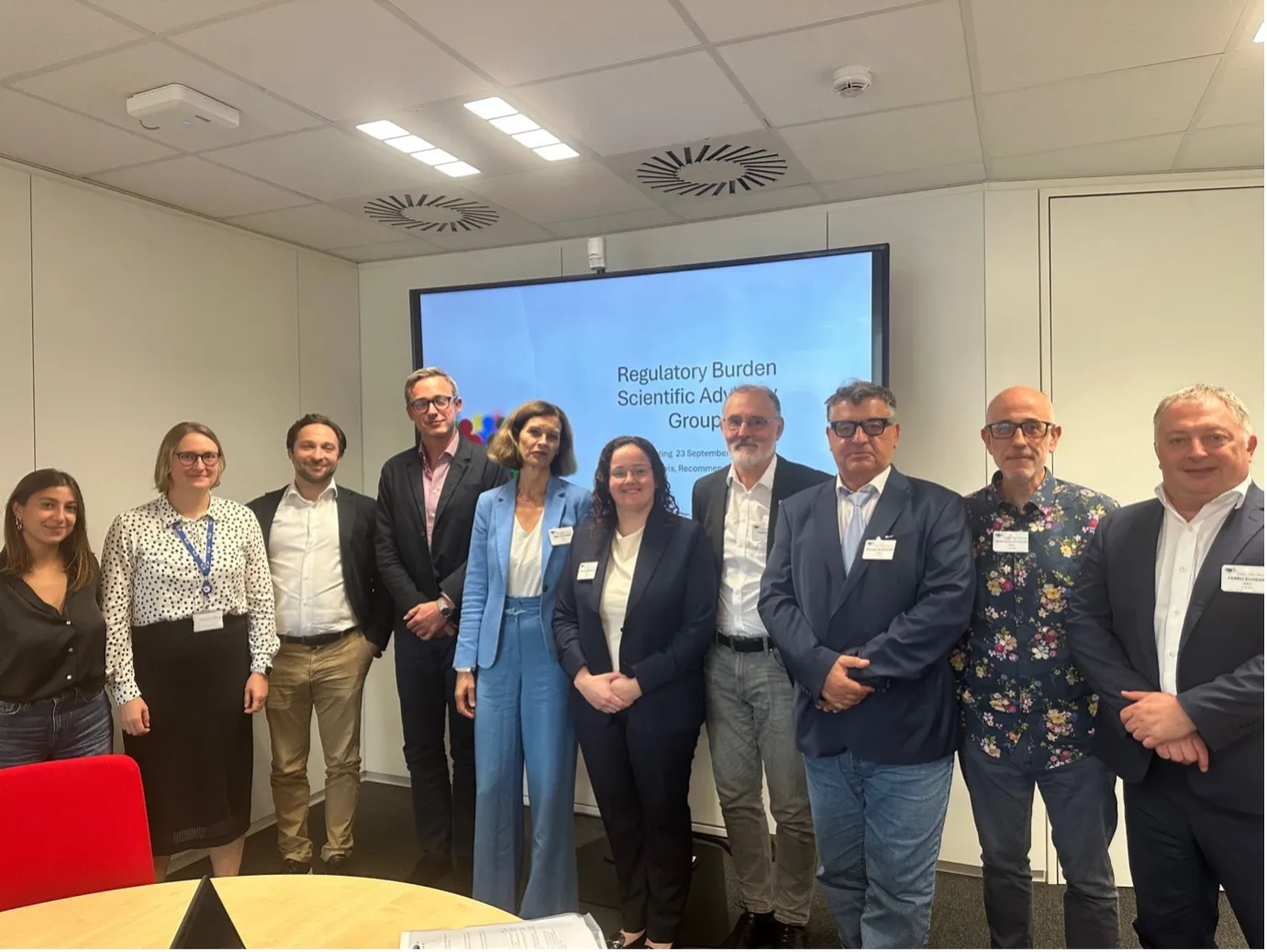
Prof. Meneses was appointed to the advisory group earlier this year, joining a select group of experts tasked with examining how regulatory frameworks are affecting the deployment of net-zero technologies across the European Union. Over the following months, the group conducted a detailed assessment of the practical barriers facing net-zero industries under the NZIA, culminating in this week's presentation of results to several Heads of Unit at the European Commission.
The group's analysis focused on four key areas where regulatory and administrative burden is slowing the rollout of net-zero technologies across Europe: public procurement processes, technology-specific regulatory constraints, permitting procedures, and the particular difficulties faced by SMEs and startups in accessing funding. Across each of these areas, the group identified concrete gaps and limitations currently hindering industry's ability to scale up clean technology deployment at the pace required to meet the EU's climate targets.
The Brussels meeting brought these findings directly to the officials responsible for shaping the Commission's regulatory agenda, with Prof. Meneses and fellow group members presenting evidence-based recommendations addressing each of the identified bottlenecks. According to those present, the discussion was highly constructive, with strong engagement from the Commission representatives on the practical implications of the group's findings.
The group's full findings are expected to be published online and widely disseminated across EU research and industry networks before the end of the year. The recommendations arising from this work are anticipated to feed directly into forthcoming EU legislative processes, offering evidence-based guidance to help streamline the regulatory landscape for net-zero technologies across the bloc.
Editor:
