The Institute of Forestry and Engineering publishes two peer-reviewed academic journals: Forestry Studies and Agronomy Research.


The Institute of Forestry and Engineering publishes two peer-reviewed academic journals: Forestry Studies and Agronomy Research.

At the Institute of Forestry and Engineering, it is possible to pursue doctoral studies in two programs: Forestry and Engineering Science.

Here you will find the contact details of all institute staff – feel free to reach out to us.
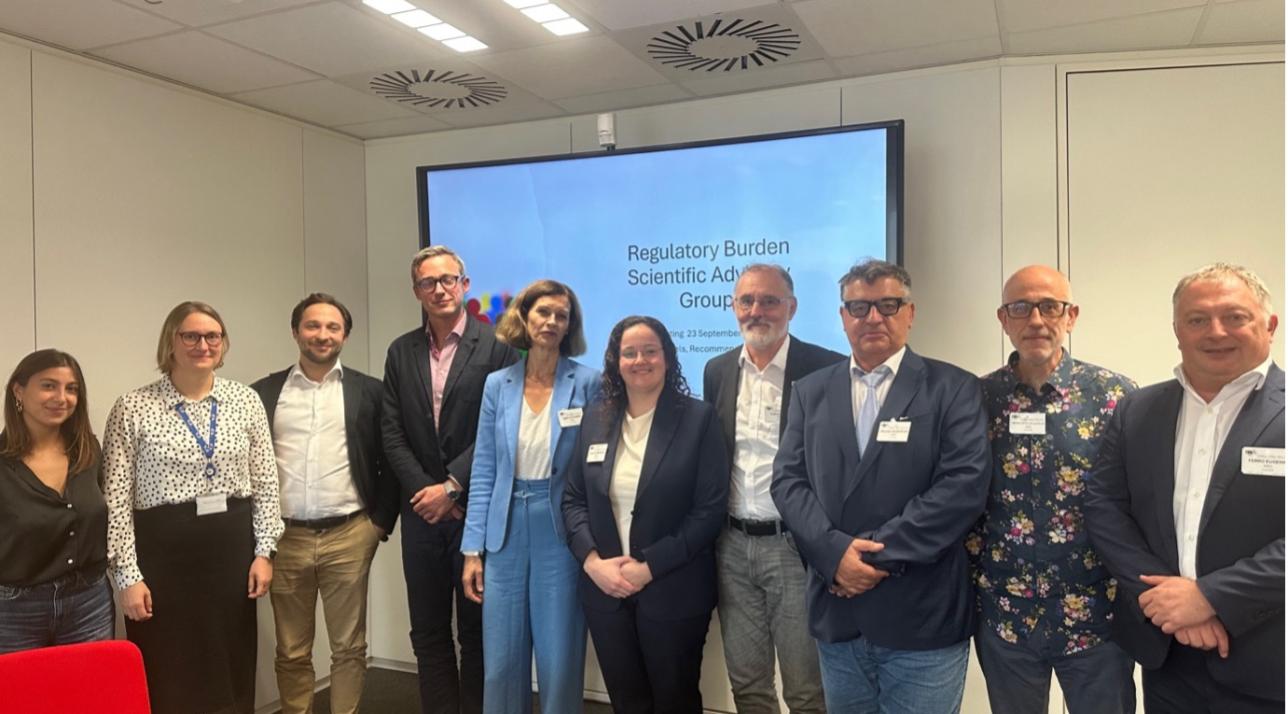
Prof. Lisandra Meneses travelled to Brussels in her capacity as a member of the Net-Zero Regulatory Burden Scientific Advisory Group, established under DG GROW (Directorate-General for Internal Market, Industry, Entrepreneurship and SMEs) at the European Commission, to present the group's findings following several months of in-depth analysis of the Net-Zero Industry Act (NZIA).
Prof. Lisandra Meneses, Visiting Professor at the Estonian University of Life Sciences (EMU), travelled to Halle (Saale), Germany, to represent the university at the official kickoff meeting of the project TRANSATION — TowaRds Agroecological farmiNg Systems for innovATION and sustainability.
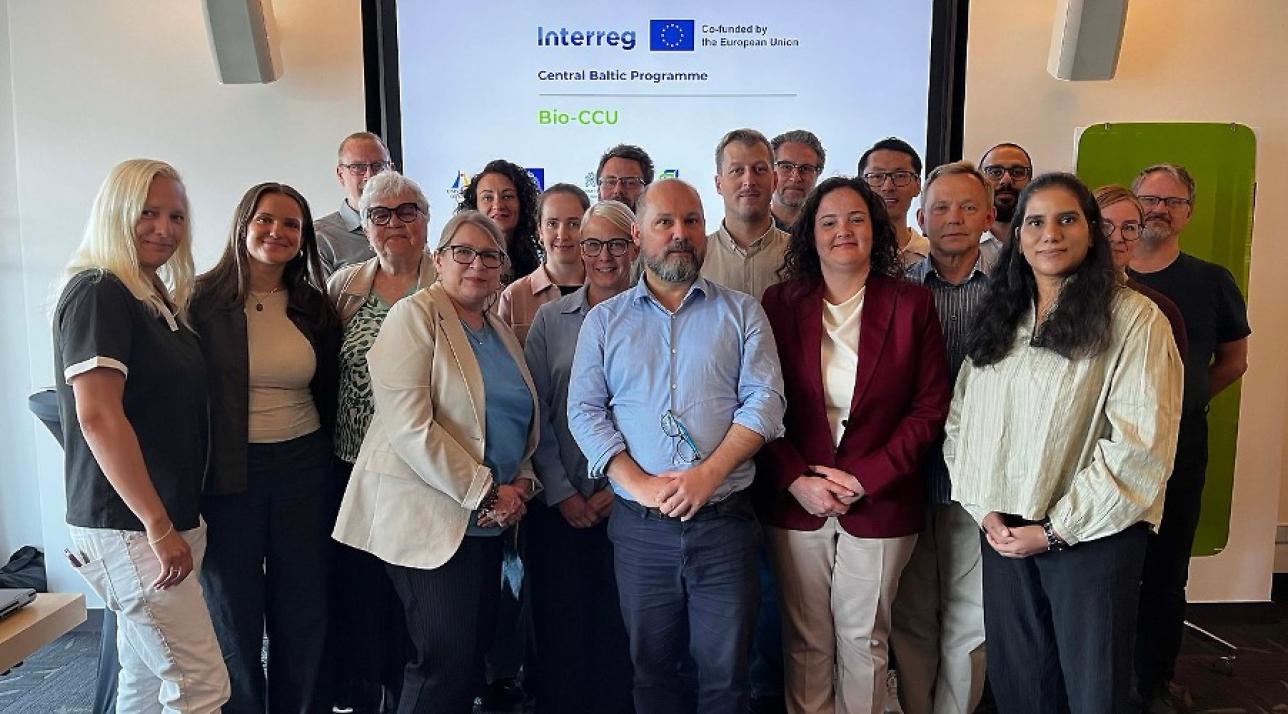
Prof. Lisandra Meneses and Prof. Timo Kikas attended the kick-off meeting of the Bio-CCU – Biogenic Carbon Capture and Utilization project, held in Stockholm, Sweden, on 17–18 August.
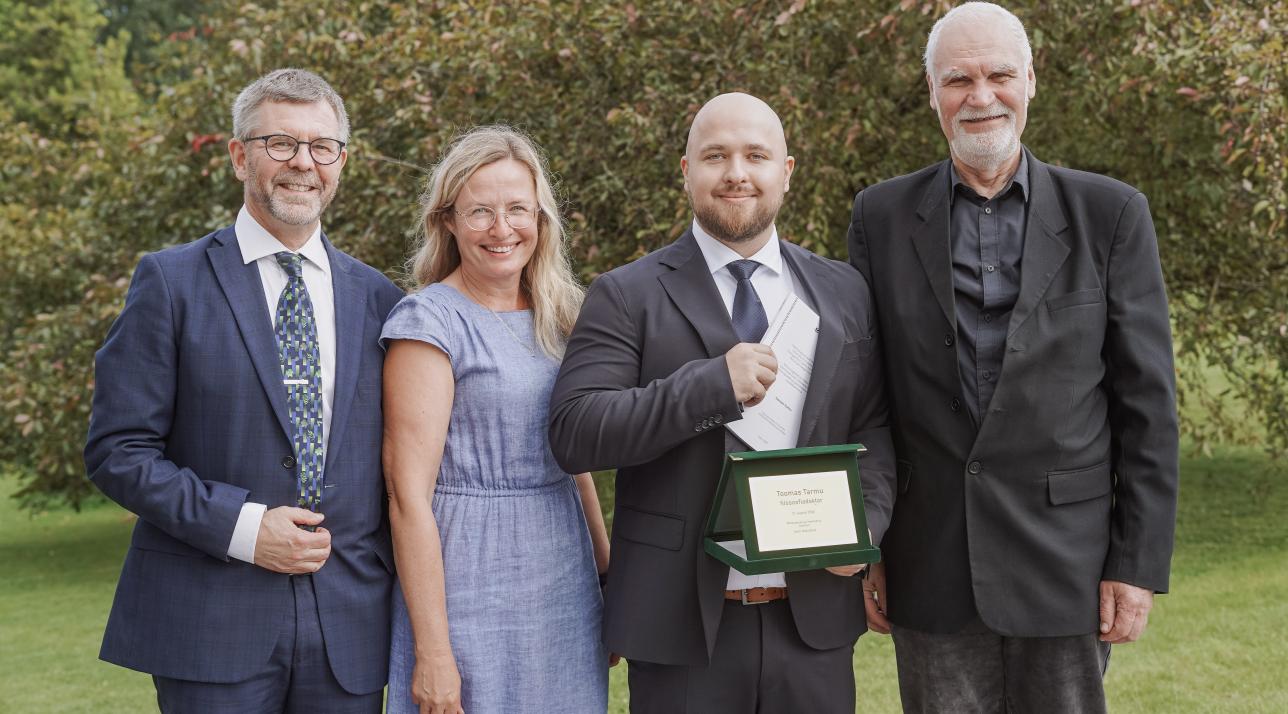
On Monday, August 31st, Toomas Tarmu defended his doctoral thesis, “Technological and methodological innovations in Estonian forest management: sonic tomography and dominant height modelling”, at the Estonian University of Life Sciences. The thesis focused on opportunities to assess forest growth and tree condition more accurately than before.
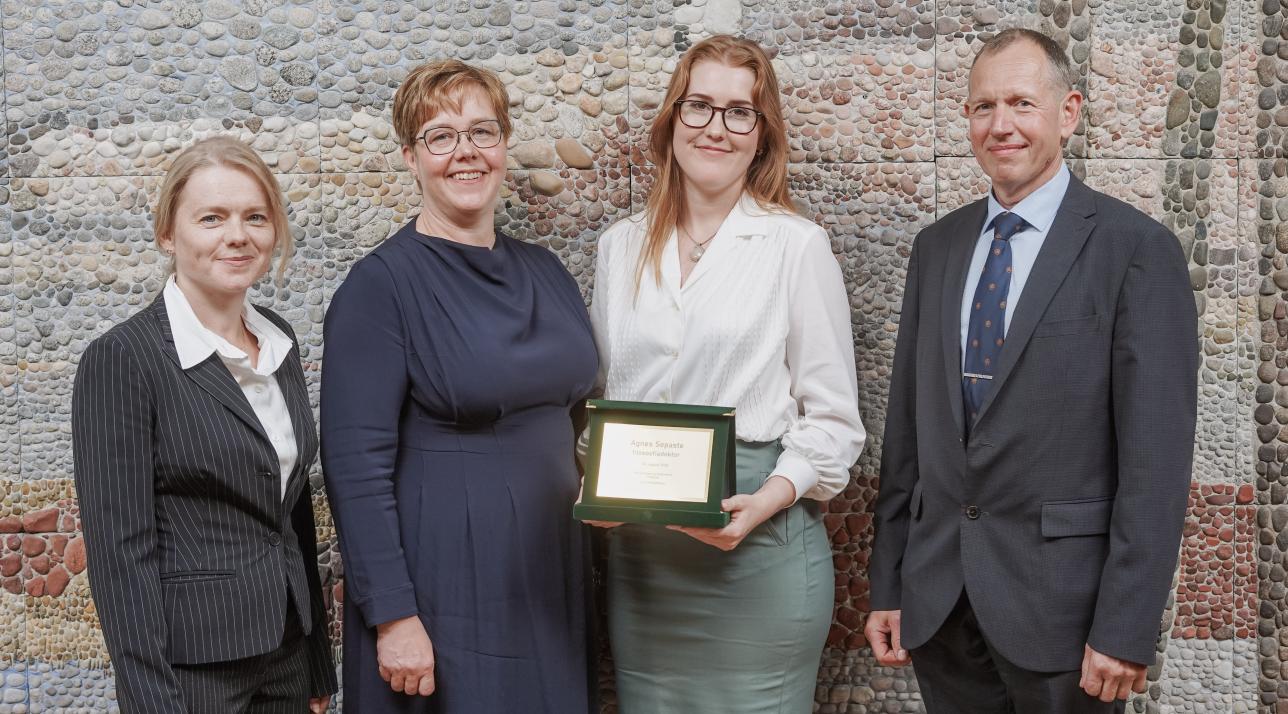
On Wednesday, 26 August, Agnes Sepaste defended her doctoral thesis, “Carbon fluxes and stocks in Estonian coniferous and mixed stands and the effect of different harvesting methods on carbon sequestration”, at the Estonian University of Life Sciences. The thesis focused on the carbon cycle in Estonian forests, how forest age and how different harvesting methods affect carbon sequestration.

The Estonian University of Life Sciences and the U.S. Army Research Institute of Environmental Medicine (USARIEM) have signed a cooperation agreement to advance research on human performance, the effects of environmental conditions, and the effectiveness of protective clothing and personal protective equipment.
At the Institute of Forestry and Engineering, sustainable forestry and smart engineering go hand in hand.


